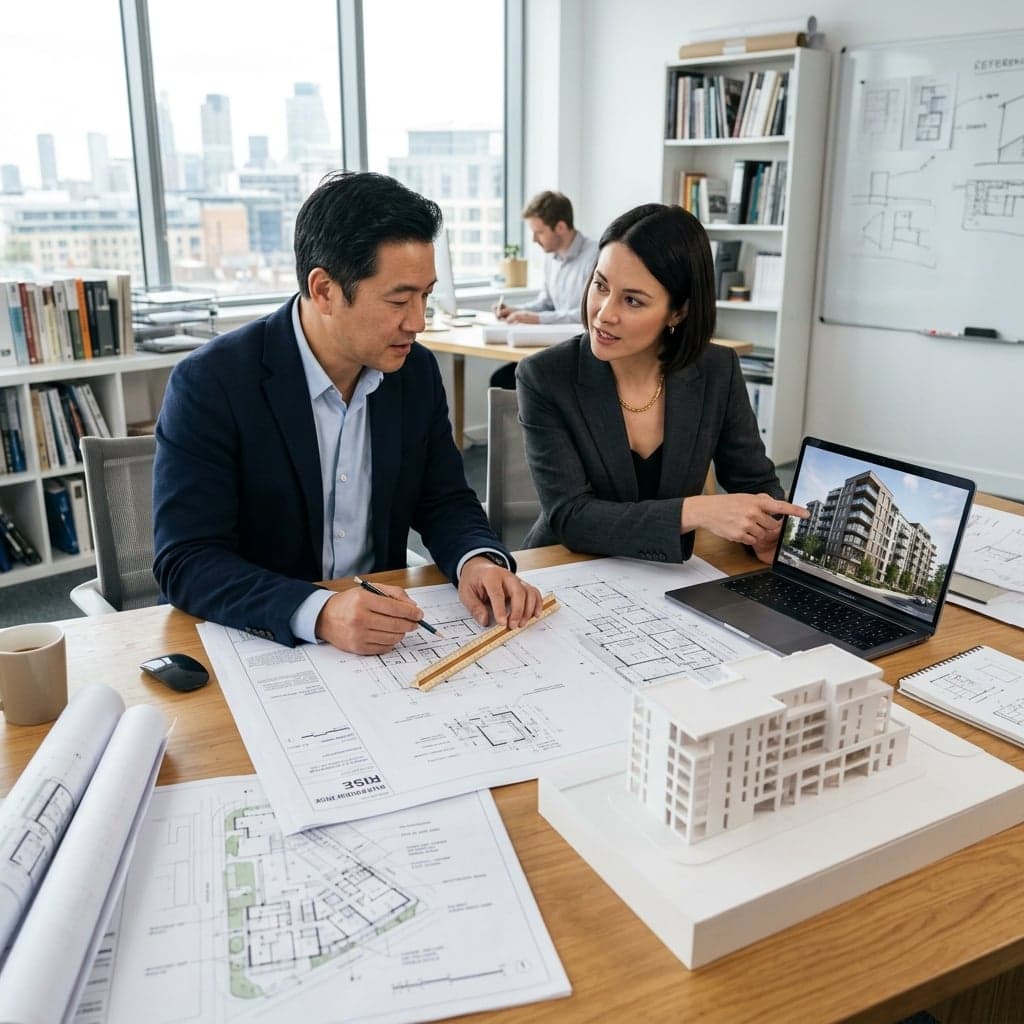
When it comes to delivering construction projects efficiently, the design-build delivery method has become one of the most popular choices for developers and property owners across Ontario. By combining architecture, design, and construction under a single contract and team, design-build reduces friction, eliminates gaps, and brings projects to completion faster and more cost-effectively than traditional methods.
What Is Design-Build?
In a traditional design-bid-build project, an owner hires an architect separately, receives drawings, then puts the project out to general contractor bids. This process creates a natural adversarial relationship between the designer and builder — each protecting their own scope. Design-build eliminates this entirely by placing the architect/designer and the construction team under one unified contract. The owner has a single point of accountability for the entire project.
How It Saves Time
The biggest time savings in design-build come from overlapping phases.
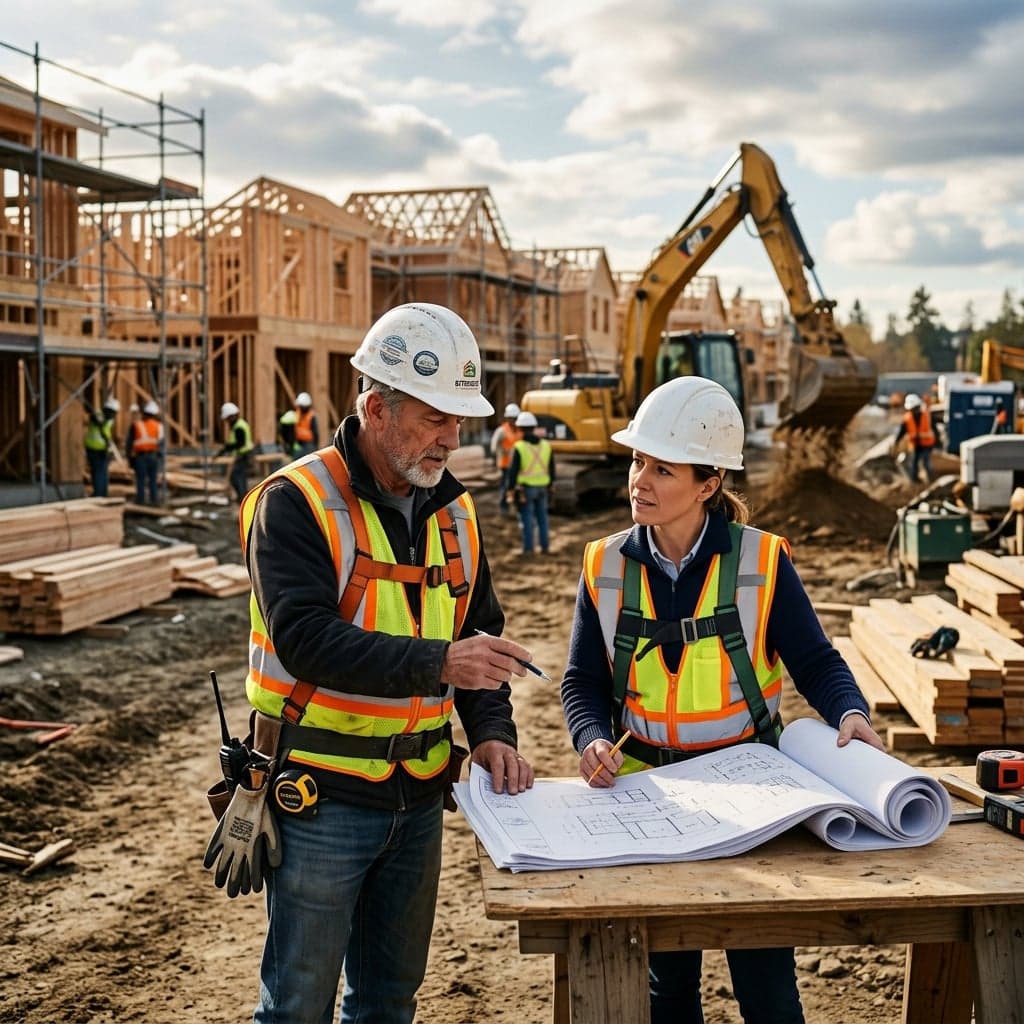
The biggest time savings in design-build come from overlapping phases. While the structural drawings are being finalized, the contractor can simultaneously begin site preparation, procure long-lead materials, and schedule trades. This phased, concurrent approach — called "fast-tracking" — can reduce overall project schedules by 20–30% compared to traditional sequential methods. For commercial tenants or homeowners eager to occupy their space, this time saving translates directly into revenue or reduced carrying costs.
How It Saves Money
Design-build saves money in several important ways. First, the contractor's input during the design phase helps catch constructability issues and value engineering opportunities before they become expensive field changes. Second, because one team is responsible for both design and construction, there are far fewer costly change orders driven by design-builder conflicts. Studies consistently show design-build projects experience 6–10% lower overall costs than design-bid-build projects of comparable scope.
Better Communication, Better Outcomes
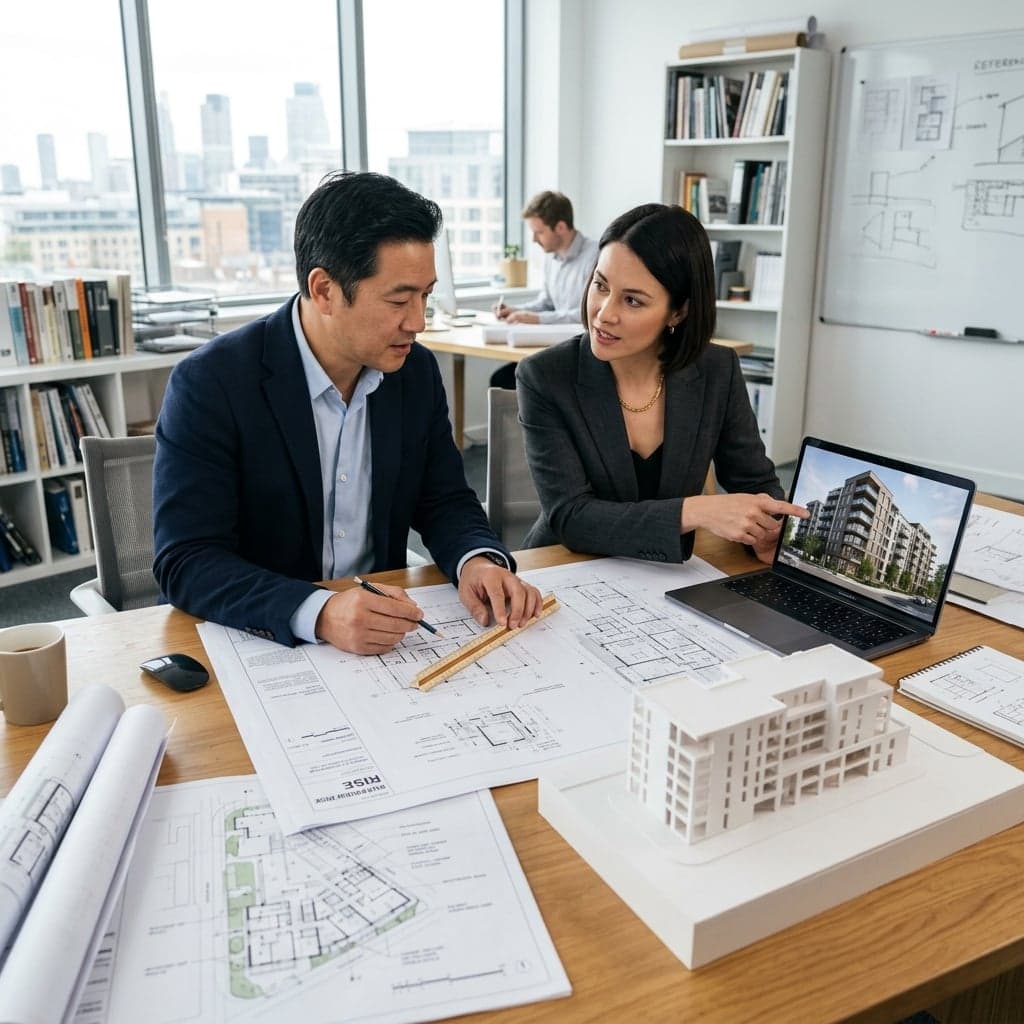
With a single team managing design and construction, communication is dramatically streamlined. Owners attend fewer meetings, review fewer separate reports, and make decisions faster because the design and construction leads are already aligned. This unified communication structure also means problems get solved proactively rather than escalating into formal disputes between separate firms.
Is Design-Build Right for Your Project?
Design-build works exceptionally well for commercial fit-outs, restaurant builds, medical clinics, warehouse conversions, and residential custom home construction. It is especially beneficial when schedule is a priority, when the owner wants a clear single point of contact, or when the project scope has elements that benefit from contractor input early in the design process.
💡 Key Takeaways
- Choose a design-build firm with in-house or closely integrated architectural resources
- Establish a clear project brief before starting — design-build moves fast and scope changes are costly
- Ask for references from past design-build clients specifically, not just general construction clients
- Review the design-build contract carefully — ensure it covers both design liability and construction warranty
More Insights
Ready to Start Your Project?
Get a free, no-obligation consultation from Ontario's trusted general contractor.
Get Free Quote →