
LEED (Leadership in Energy and Environmental Design) certification has become one of the most recognized standards for sustainable commercial building design in North America. For Ontario developers and tenants alike, LEED status signals environmental responsibility, operational efficiency, and long-term value. But what does LEED actually involve, and what does it cost to achieve?
What Is LEED Certification?
LEED is a third-party certification program administered by the Canada Green Building Council (CaGBC). Buildings are assessed across categories including energy efficiency, water use, materials, indoor air quality, and site selection. Points are accumulated and buildings are rated as Certified (40–49 points), Silver (50–59), Gold (60–79), or Platinum (80+). The vast majority of commercially significant LEED projects in Ontario target Gold certification.
Why Ontario Tenants and Investors Care
LEED Gold and Platinum buildings in the GTA command lease rate premiums of 5–15% over comparable non-certified buildings.
LEED Gold and Platinum buildings in the GTA command lease rate premiums of 5–15% over comparable non-certified buildings. Major corporate tenants — especially in financial services, technology, and professional services — now routinely include LEED certification as a requirement in their real estate RFPs. For developers, LEED certification also opens access to green financing products with favorable interest rates from major Canadian lenders.
Key Areas That Earn Points
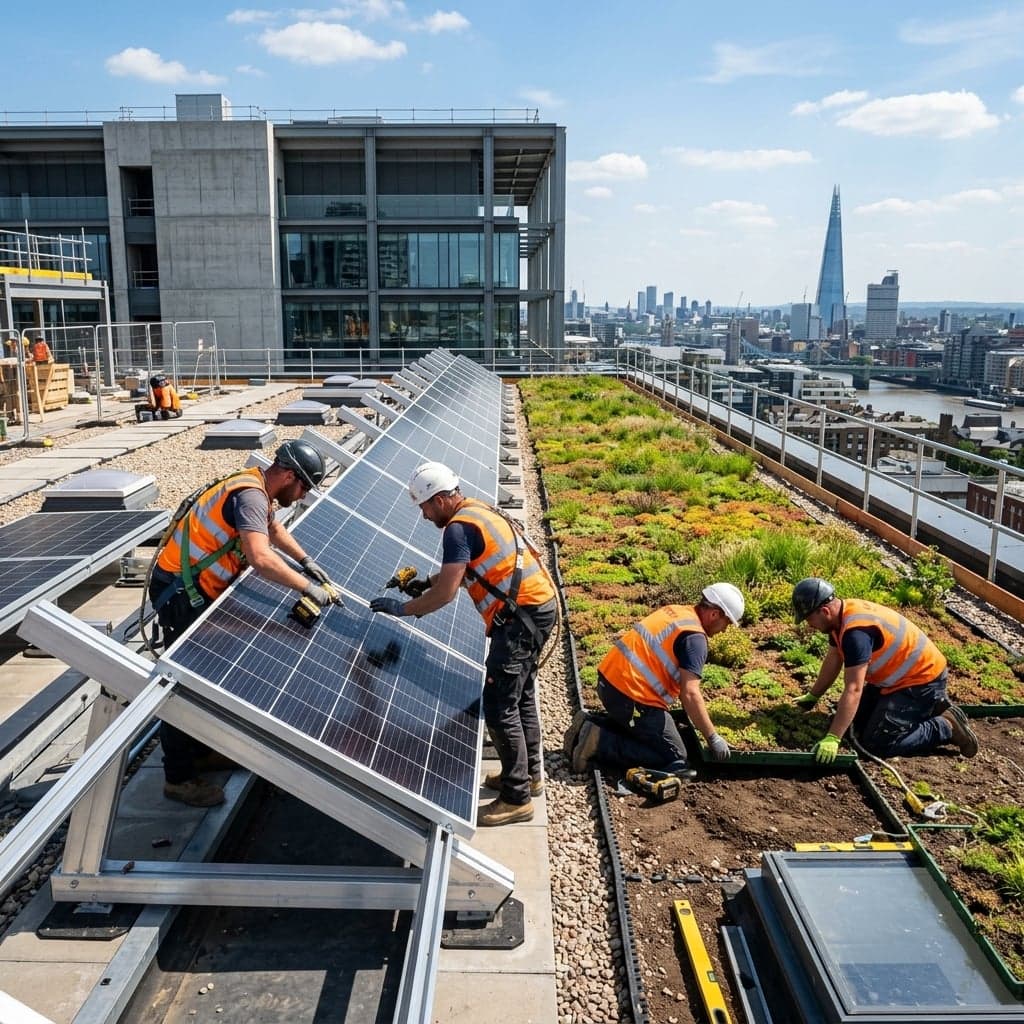
Energy efficiency is typically the largest category, rewarding buildings for high-performance envelopes, efficient mechanical systems, and renewable energy integration. Water efficiency rewards low-flow fixtures and stormwater management. Materials credits reward recycled content, regional sourcing, and low-VOC products. Indoor environmental quality addresses ventilation rates, daylighting, and occupant comfort — all of which directly affect productivity and tenant retention.
The Cost of LEED
A common misconception is that LEED certification dramatically increases construction costs. In reality, when LEED strategies are integrated into the design from the start — rather than bolted on at the end — the cost premium typically ranges from just 1–4% over conventional construction. The operational savings in energy and water costs, combined with the lease premium and financing benefits, almost always deliver a strong return on that additional investment within 5–7 years.

Working With a LEED-Experienced Contractor
Achieving LEED certification requires careful documentation throughout the construction process — tracking material sourcing, waste diversion rates, and indoor air quality management. Working with a general contractor who has direct LEED project experience is critical. At BUZ Construction, our project management team includes LEED-accredited professionals who maintain the documentation, coordinate commissioning, and interface with the CaGBC on your behalf.
💡 Key Takeaways
- Engage your LEED consultant at schematic design stage — not after design is complete
- Prioritize energy modelling early to identify the most cost-effective efficiency measures
- Track all material submittals for recycled content and regional sourcing from day one
- Plan for enhanced commissioning — it is required for LEED and dramatically improves building performance
More Insights


Ready to Start Your Project?
Get a free, no-obligation consultation from Ontario's trusted general contractor.
Get Free Quote →